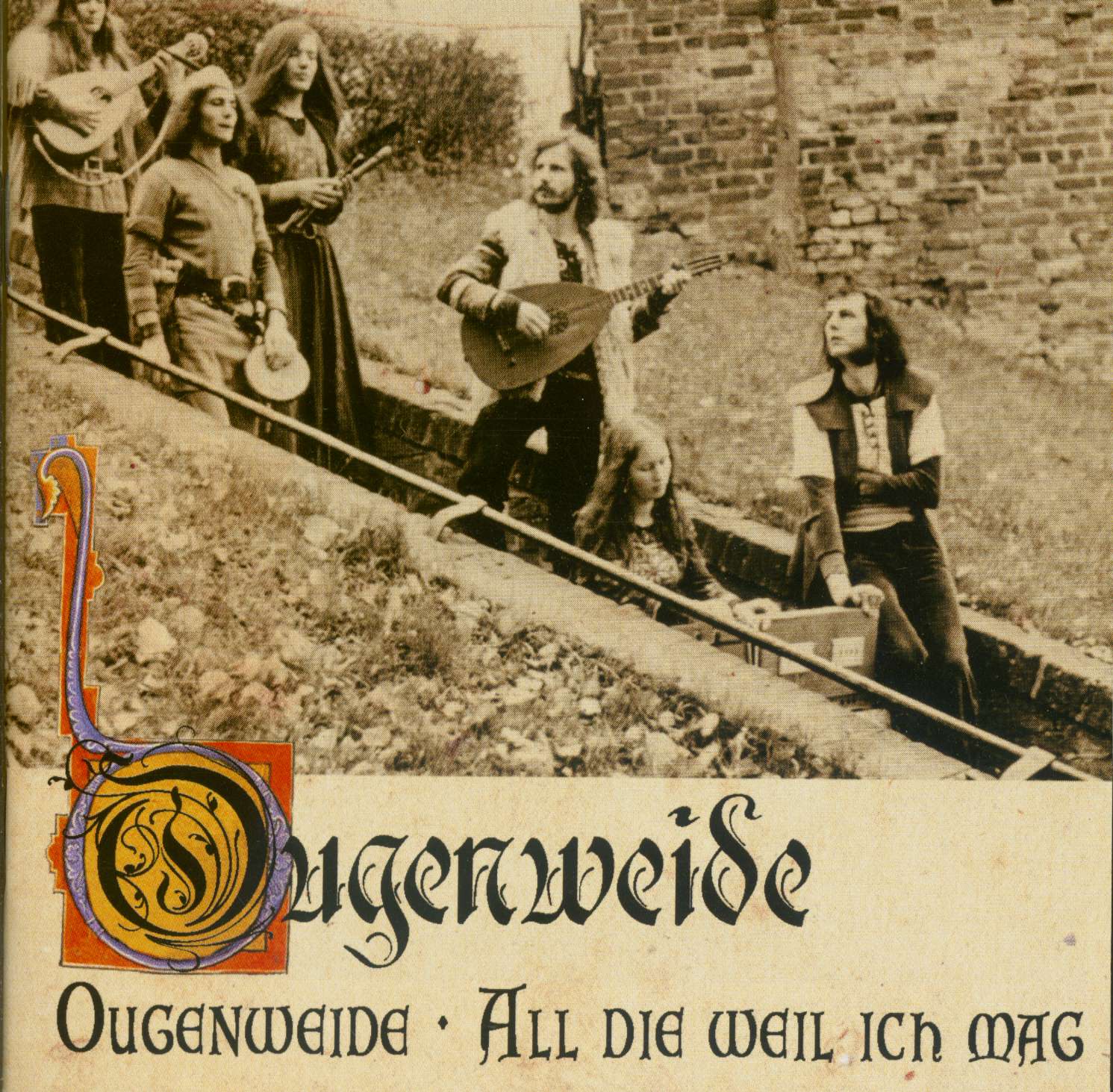
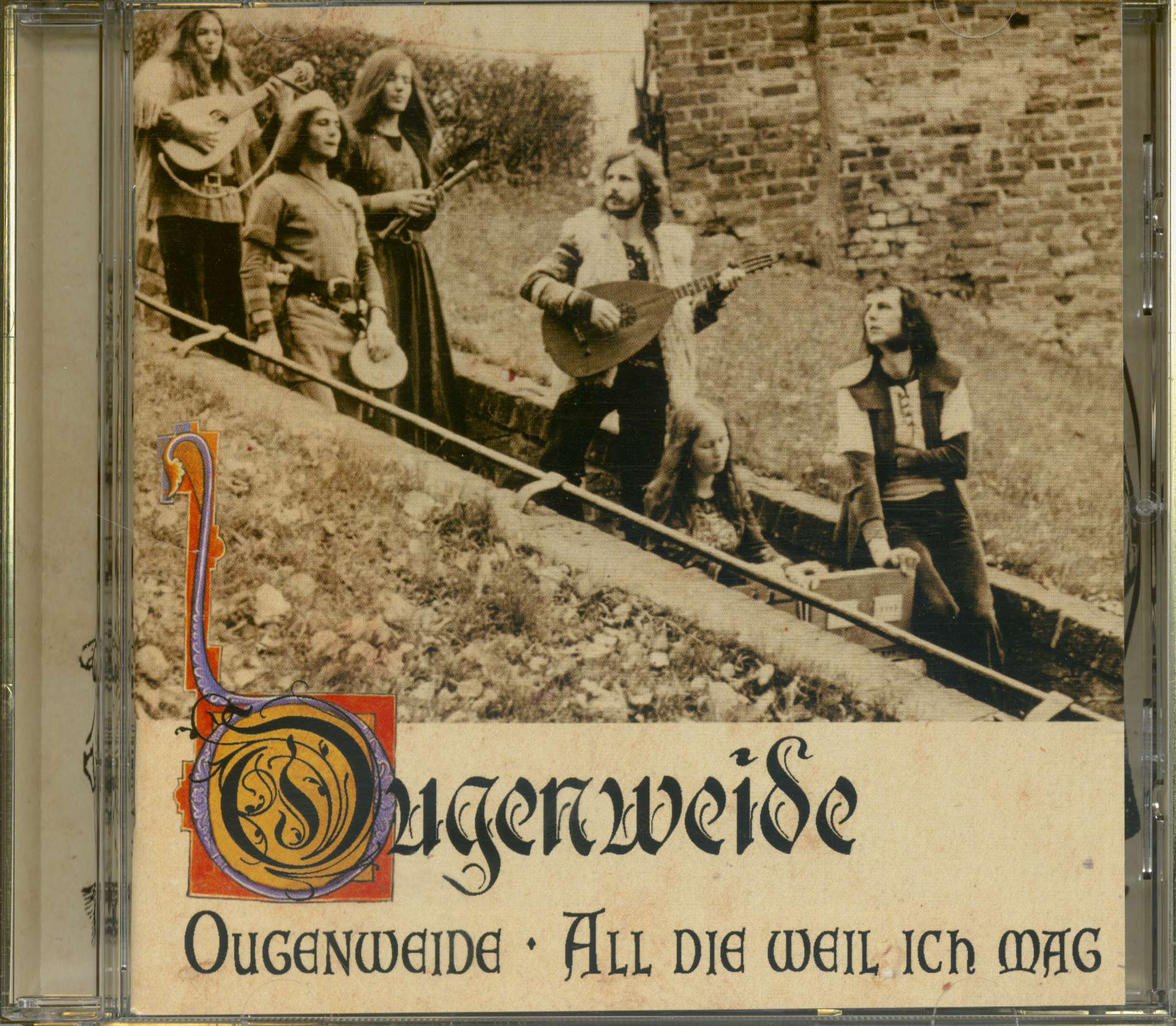
OUGENWEIDE Ougenweide - All die weil ich mag (CD)


* incl. VAT / plus shipping costsDepending on the country of delivery, the VAT at checkout may vary.
Ready to ship today,
delivery time** appr. 1-3 workdays
- catalog number:BCD16775
- weight in Kg 0.115
- PDF (deutsch) Download
OUGENWEIDE: Ougenweide - All die weil ich mag (CD)
Video von OUGENWEIDE - Ougenweide - All die weil ich mag (CD)
Article properties:OUGENWEIDE: Ougenweide - All die weil ich mag (CD)
Interpret: OUGENWEIDE
Album titlle: Ougenweide - All die weil ich mag (CD)
Label Bear Family Records
- Preiscode AH
Genre Folk
Artikelart CD
EAN: 4000127167750
- weight in Kg 0.115
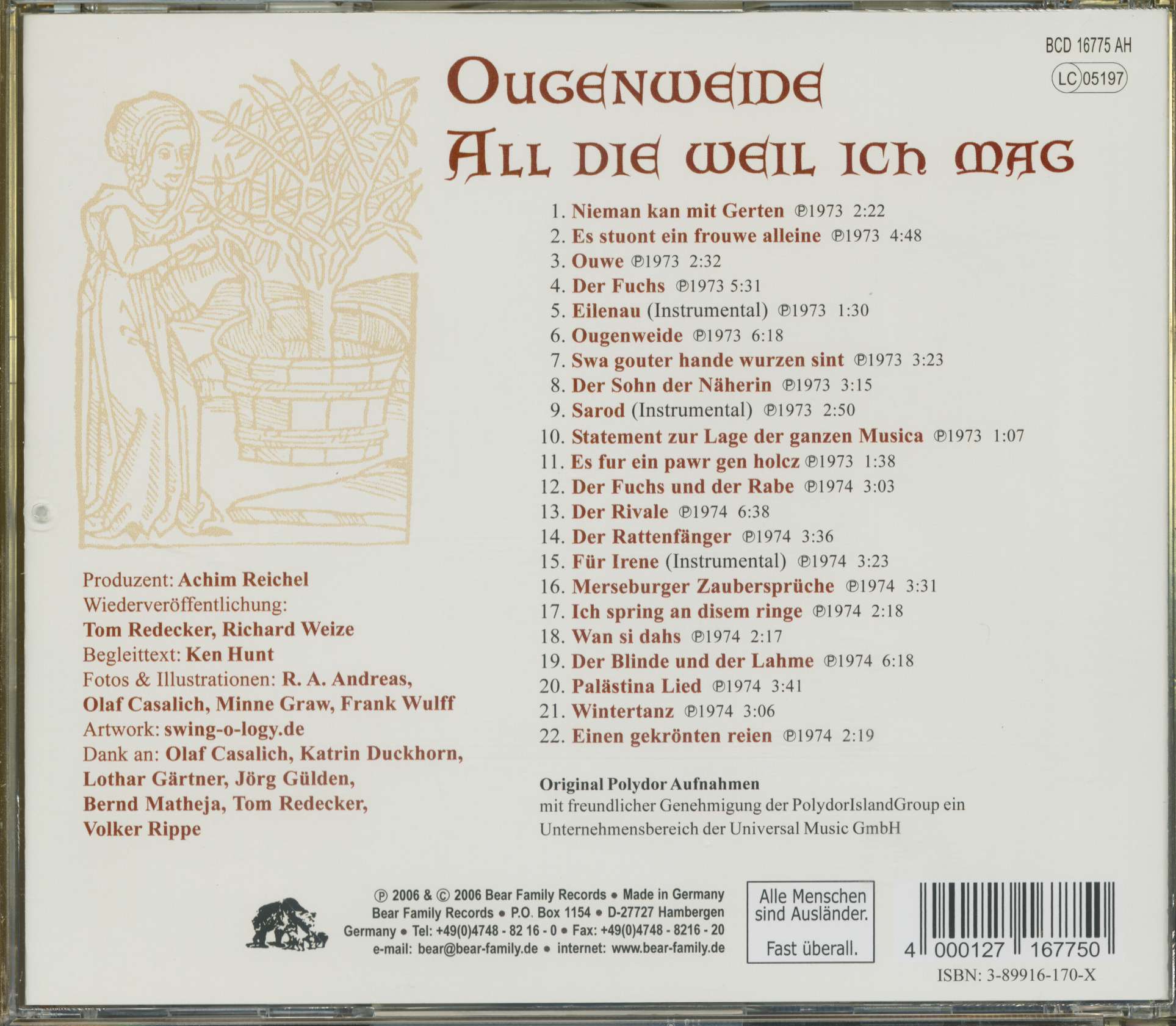
| Ougenweide - Ougenweide - All die weil ich mag (CD) CD 1 | ||||
|---|---|---|---|---|
| 01 | Nieman kan mit Gerten | OUGENWEIDE | ||
| 02 | Es stunt ein frouwe alleine | OUGENWEIDE | ||
| 03 | Ouwe | OUGENWEIDE | ||
| 04 | Der Fuchs | OUGENWEIDE | ||
| 05 | Eilenau (instrumental) | OUGENWEIDE | ||
| 06 | Ougenweide | OUGENWEIDE | ||
| 07 | Swa gouter Hande wurzen sint | OUGENWEIDE | ||
| 08 | Der Sohn der Näherin | OUGENWEIDE | ||
| 09 | Sarod (instrumental) | OUGENWEIDE | ||
| 10 | Statement zur Lage der ganzen Musica | OUGENWEIDE | ||
| 11 | Es fur ein pawr gen Holcz | OUGENWEIDE | ||
| 12 | Der Fuchs und der Rabe | OUGENWEIDE | ||
| 13 | Der Rivale | OUGENWEIDE | ||
| 14 | Der Rattenfänger | OUGENWEIDE | ||
| 15 | Für Irene (instrumental) | OUGENWEIDE | ||
| 16 | Merseburger Zaubersprüche | OUGENWEIDE | ||
| 17 | Ich spring an disem Ringe | OUGENWEIDE | ||
| 18 | Wan si dahs | OUGENWEIDE | ||
| 19 | Der Blinde und der Lahme | OUGENWEIDE | ||
| 20 | Palästina Lied | OUGENWEIDE | ||
| 21 | Wintertanz | OUGENWEIDE | ||
| 22 | Einen gekrönten Reien | OUGENWEIDE | ||
Ougenweide
Mittelalter Musik - Minne Rock
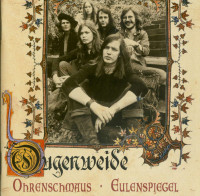
Aufbruch und Veränderung 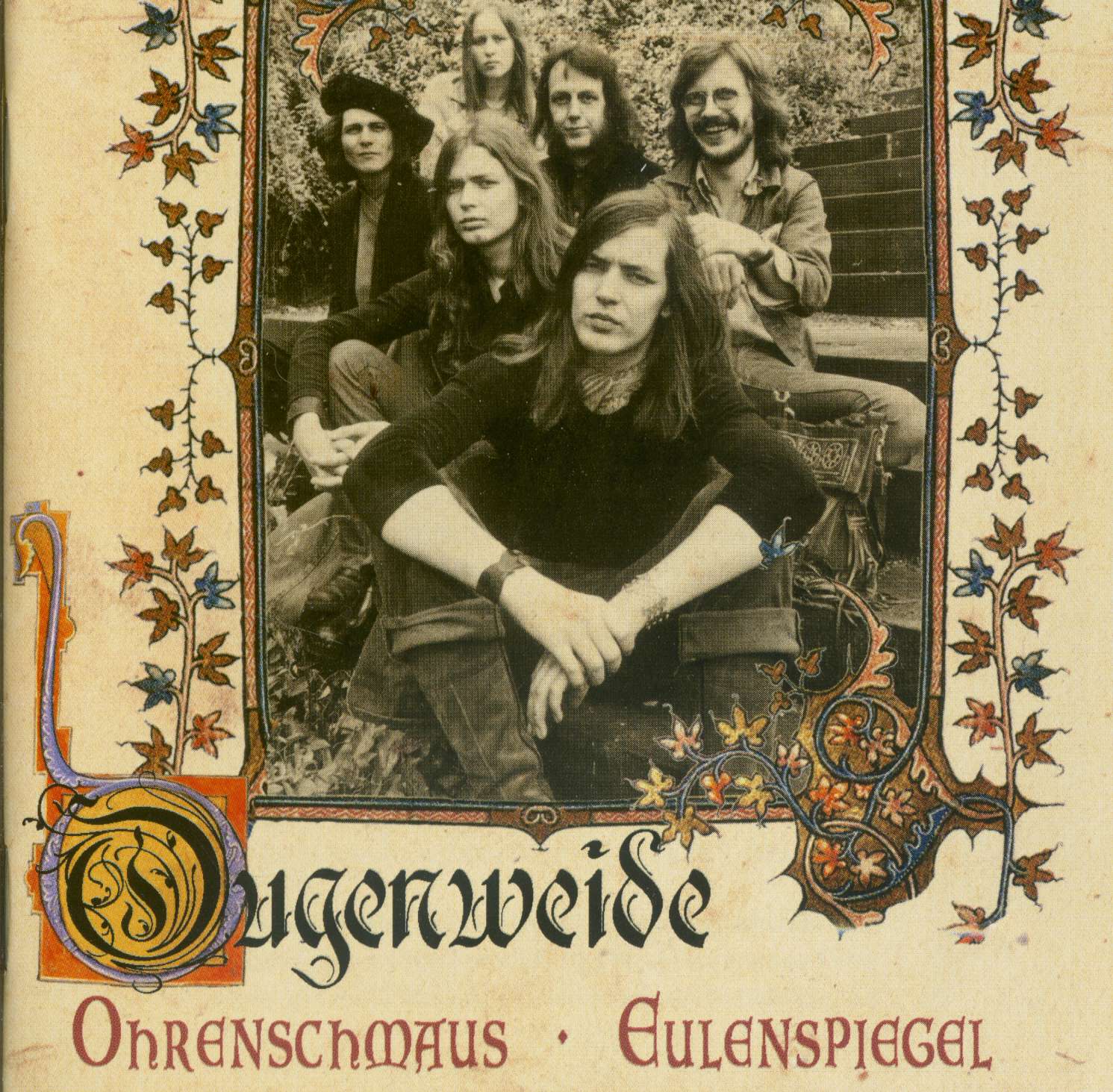 Wenn einer deutschen Band das Verdienst gebührt, erstmals mittelalterliche Texte mit moderner Popmusik verbunden und einem breiten Publikum zugänglich gemacht zu haben, dann ist es Ougenweide aus Hamburg.
Mittelalter Musik
Erstaunlich: Mehr als zwei Jahrzehnte nach dem Karrierestart der originellen und ungewöhnlichen Gruppe entwickelte sich die Kombination aus Mittelalter und Rock zu einem echten Trend. Er hält nun schon mehr als zehn Jahre an und treibt immer neue kreative Blüten. So ist es kein Wunder, dass viele der heutigen Mittelaltermusiker, sei es aus der Rock-, der Folk-; ja selbst aus der Alte-Musik-Szene, das Werk der Hamburger lieben und verehren. Gleiches gilt für die Fans und Freunde dieser Musik, die nun die Gelegenheit haben, Ougenweide neu oder wieder zu entdecken.
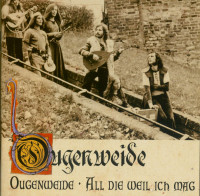
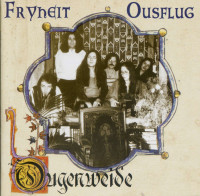
Mit fünf Alben auf drei CDs hebt Bear Family Schätze aus dem Ougenweide-Fundus und macht sie der Öffentlichkeit zugänglich. 'Fryheit' zeigt die Folk-Rocker als engagierte, gesellschaftskritische Band. Die Musik entstand für die Fernsehreihe 'Dokumente deutschen Daseins' und verarbeitete Texte und Lieder aus dreieinhalb Jahrhunderten deutscher Geschichte von den Bauernkriegen bis zur 48er-Revolution.
Mittelalterliche Klänge
'Ousflug' war dann wieder eine typische Ougenweide-Platte mit einem Rückgriff auf mittelalterliche Klänge. Das Album bereitete u. a. zwei Mittelalter-'Hits' neu auf: Walther von der Vogelweides, Anklage des Großmauls und Lügenboldes Gerhard Atze (der Walthers Pferd erschossen hatte) und Neidhart von Reuenthals übermütige Frühlingspreisung Maienzeit.
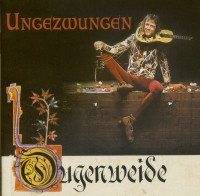
Ende der Siebziger Jahre waren Ougenweide zur Institution geworden. Sie hatten mit dem Minne-Rock ein eigenes Genre geschaffen, mit 'Ungezwungen' 1978 ein hervorragendes Live-Album vorgelegt und mit 'Ousflug' (1978) eine Art stilistisches Resümée gezogen. In der LP-Reihe 'Liederbuch' hatte Polydor ihnen schließlich auch noch ein 'Best Of'-Album gewidmet. Womit die Gruppe und ihr Sound einen festen Platz in der deutschen Musiklandschaft gefunden hatten. Eigentlich ein sicherer Ausgangspunkt, das Projekt erfolgreich fortzuschreiben und behutsam weiterzuentwickeln.
Mittelhochdeutsch singen
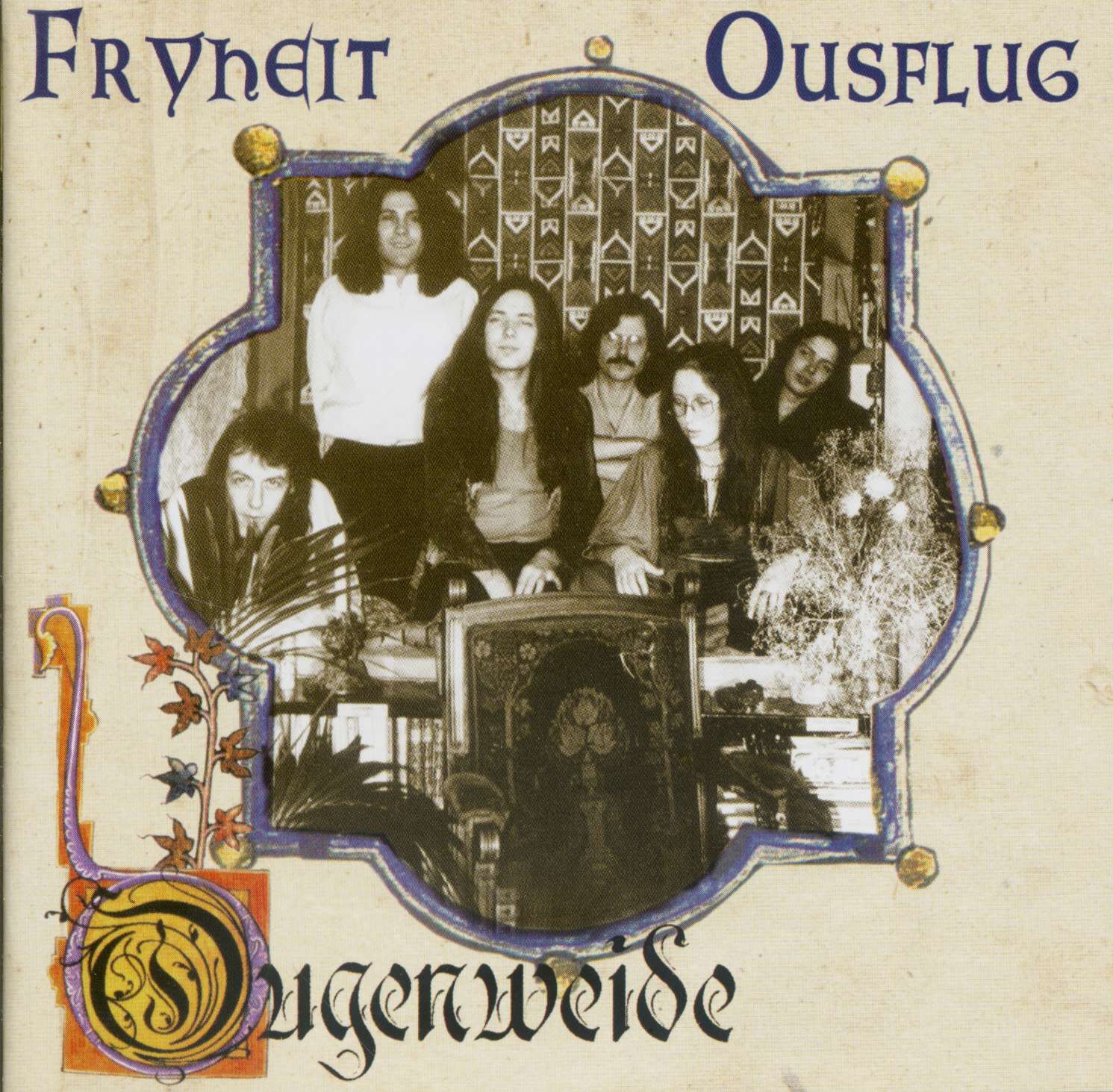 Auf dem Titelbild prangte ein übergroßer Barcode - gerade neu zur Kennzeichnung von Waren überall eingeführt. Er wird durch eine sympathisch aussehende junge Frau auseinandergerissen.
Ja, richtig, es ist Minne Graw, und sie trägt kein wehendes Folklorekleid, sondern sieht aus wie die engagierte Studentin von nebenan. Das Signal ist deutlich: Hier kommen wir, um die Welt der Waren durch die wahre Welt zu ersetzen. Und die ist keine nette, rückwärtsgewandte Folk-Idylle. "Fabeltier sein ist vorbei, es wird Zeit, daß sich was regt",heißt es in einem der Lieder programmatisch. Dem aufrüttelnden Charakter der Texte entsprechend geriet auch die Musik.
So virtuos hatten die Musiker noch nie aufgespielt, die Kompositionen sind voller Breaks, Synkopen und überraschender Wendungen. Alles klingt aufregend, klug durchdacht, frech und frisch. Aber das, was Ougenweide bislang ausgemacht hatte, schimmert nur noch an einigen Stellen durch. Schon das Auftaktstück Ich bin ein Folkfreak wirkt wie eine Abrechnung mit der eigenen Vergangenheit und der eigenen Szene. So gibt es auf dem Album auch wenig Ruhe und Besinnlichkeit. Die einzige bekannte Melodie ist das Heimatlied Kein schöner Land, das Anton Wilhelm Florentin von Zuccalmaglio 1838 unter Verwendung der Volkslieder Ade, mein Schatz, und ich muß fort und Ich kann und mag nimmer fröhlich sein neu gestaltet hatte.
Olaf Casalich schrieb zur wunderbaren Weise, die auch durch den Mißbrauch durch unzählige Männerchöre ihren Liebreiz immer noch nicht verloren hat, eine kritische Bestandsaufnahme des schönen Landes "in uns'rer Zeit" : Die Lindenbäume weichen dem Beton, statt des Gottes am Himmel wacht der Verfassungsschutz über uns, man will "uns lenken und für uns denken". So steht auch am Ende dieses Liedes der Aufruf zum Widerstand: "Wir müssen lernen, uns nun zu wehren, die Zeit ist da!"
sinnliche schöne altertümliche Musik
Mittelalter Musik ist gleichzeitig Geschichte der Menschen. Vieles, was damals gab, trotz im Vergleich zu heutiger Zeit eingeschränkte wissenschaftliche, technische, medizinische und soziale Errungenschaften, in viele Hinsichten ähnlich wie heute: Liebe, Leid, Mitleid, Zusammenhalt, Konkurenz, Kampf, Sinnlichkeiten und Sinnlosigkeiten u.s.w. Als würde die Musik unser bekannten Nachbarn bloß aus andere zwangliche Zeit wiederspieglen, die trotz fremde Zeitgeist in ihre logik, romantik, Mitgefühl, ganz bekannt und zeitlos erscheinen.
Dazu mit schöne Melodien und Harmonische Arrangment. Und die Mut der Bandmitglieder, die ihre musikalisches können bewußt in diese Genre investierten, statt in Mainstream des damals, wie Pop, Rock und Discomusik, bei manchen von ihnen, wie heute noch deren Verfalldatum wie eine dose Cola war und ist.
Booklet umfangreich und sehr informativ. Schnelle Lieferzeit. Sehr guter Service.

Ready to ship today, delivery time** appr. 1-3 workdays


Ready to ship today, delivery time** appr. 1-3 workdays
Ready to ship today, delivery time** appr. 1-3 workdays
Ready to ship today, delivery time** appr. 1-3 workdays

Item has to be restocked

Ready to ship today, delivery time** appr. 1-3 workdays

Ready to ship today, delivery time** appr. 1-3 workdays

This article is deleted and can no longer be ordered!
Ready to ship today, delivery time** appr. 1-3 workdays
Ready to ship today, delivery time** appr. 1-3 workdays
Ready to ship today, delivery time** appr. 1-3 workdays

Ready to ship today, delivery time** appr. 1-3 workdays
Item has to be restocked
the very last 1 available
Ready to ship today, delivery time** appr. 1-3 workdays

only 1x still available
Ready to ship today, delivery time** appr. 1-3 workdays

Ready to ship today, delivery time** appr. 1-3 workdays

Ready to ship today, delivery time** appr. 1-3 workdays