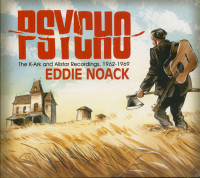
Eddie Noack Psycho - The K-Ark and Allstar Recordings 1962-69 (CD)



* incl. VAT / plus shipping costsDepending on the country of delivery, the VAT at checkout may vary.
Ready to ship today,
delivery time** appr. 1-3 workdays
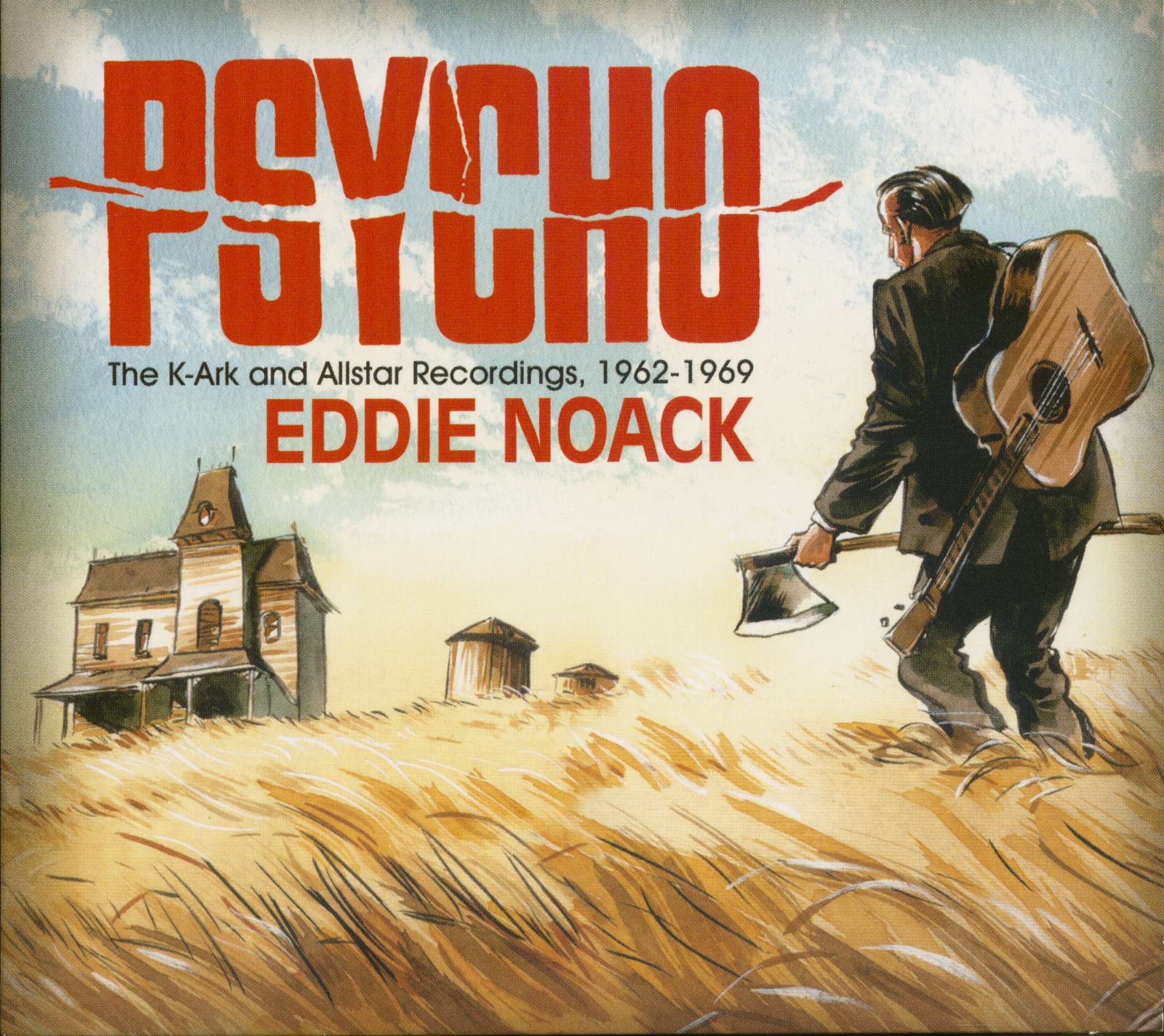
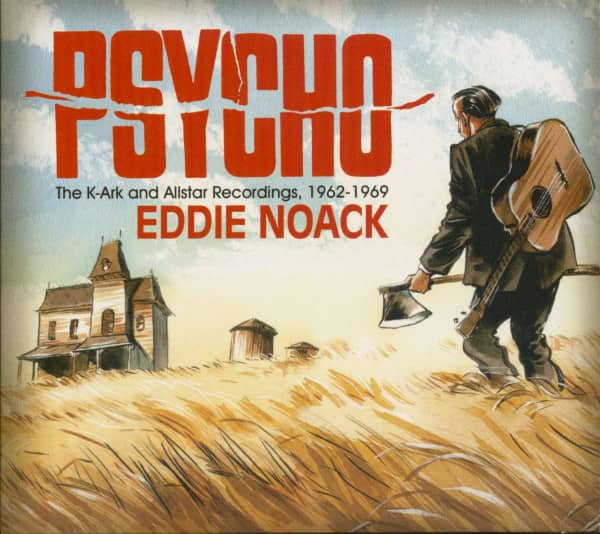
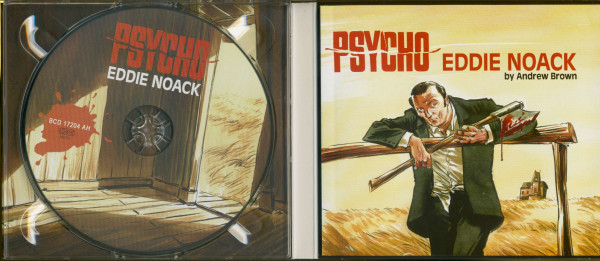
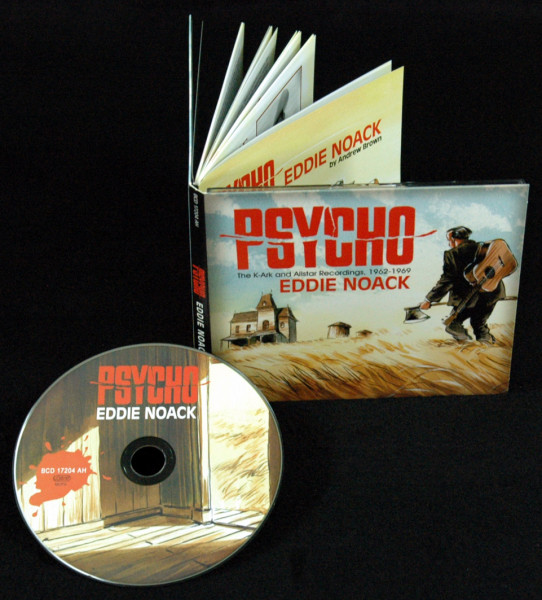
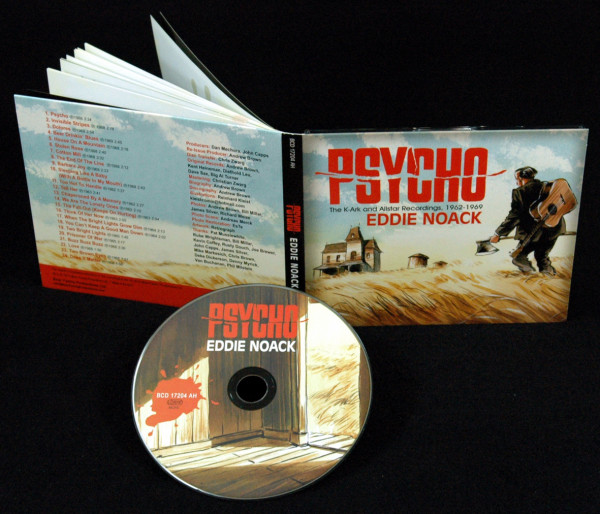
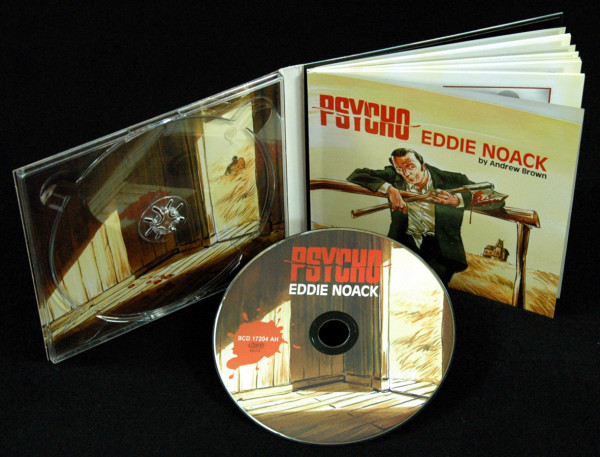
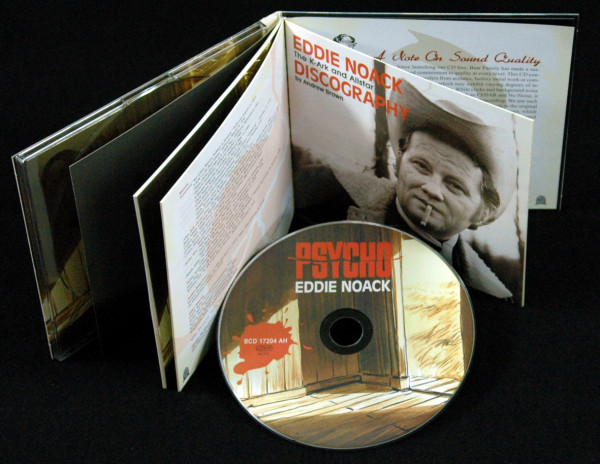
Eddie Noack: Psycho - The K-Ark and Allstar Recordings 1962-69 (CD)
Eddie Noack was no outsider, even if later generations often perceived him that way. He was a devoted country traditionalist, songwriter, music historian, and a man whose influence within Nashville far exceeded his commercial success. He wrote These Hands, a song immortalized by Hank Snow and later revived by Johnny Cash. Ernest Tubb, Bob Wills, Lefty Frizzell and George Jones all recorded his material. Yet Noack’s own recording career remained frustratingly elusive: too individual for the mainstream, too uncompromising for the industry, and often too dark for country radio.
This Bear Family release gathers his Allstar and K-Ark recordings from 1962 to 1969, documenting a crucial and fascinating chapter in his career. Following his years with Starday, D Records and Mercury, Noack found himself working for small independent labels. It was there, away from commercial expectations, that some of his most distinctive recordings emerged. The Allstar sides reveal an artist searching for a place in a changing country music landscape, balancing traditional country roots with contemporary Bakersfield influences.
The heart of this collection lies in the K-Ark recordings. In 1968, Noack recorded Psycho, Leon Payne’s chilling first-person tale of madness and murder. No country record before it sounded quite so unsettling. Virtually ignored upon release, Psycho later gained cult status through versions by Jack Kittel and Elvis Costello, eventually becoming a touchstone for punk, alternative-country and outsider-music audiences around the world.
Yet this collection proves that Eddie Noack’s legacy extends far beyond one notorious song. Tracks such as Invisible Stripes, Dolores, The End Of The Line, House On A Mountain and Barbara Joy reveal a songwriter of unusual depth, combining black humor, social observation, prison narratives and psychological drama with traditional country craftsmanship.
Bear Family presents these recordings not as curiosities, but as the remarkable late work of one of country music’s most fascinating and misunderstood figures.
Key Selling Points:
• Complete Allstar and K-Ark recordings (1962–1969)
• Includes the legendary original recording of Psycho
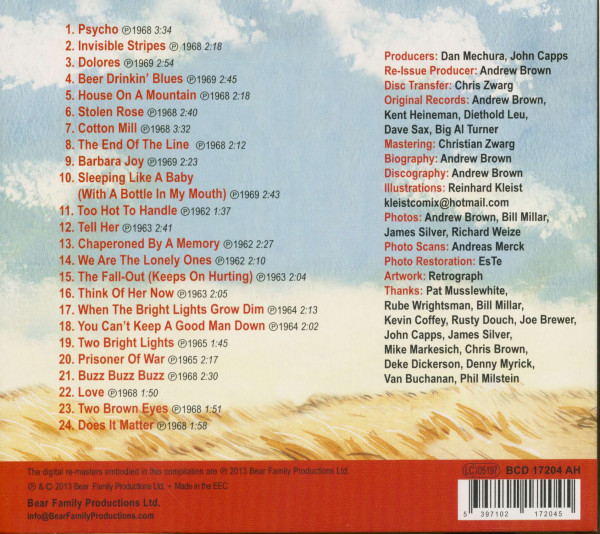
• 24 tracks on one CD digipak
• Extensive 64-page booklet with detailed notes
• Essential for fans of classic country, rockabilly and outsider music
Video von Eddie Noack - Psycho - The K-Ark and Allstar Recordings 1962-69 (CD)
Article properties: Eddie Noack: Psycho - The K-Ark and Allstar Recordings 1962-69 (CD)
-
Interpret: Eddie Noack
-
Album titlle: Psycho - The K-Ark and Allstar Recordings 1962-69 (CD)
-
Genre Country
-
Label Bear Family Records
- Preiscode AH
-
Artikelart CD
-
EAN: 5397102172045
- weight in Kg 0.11
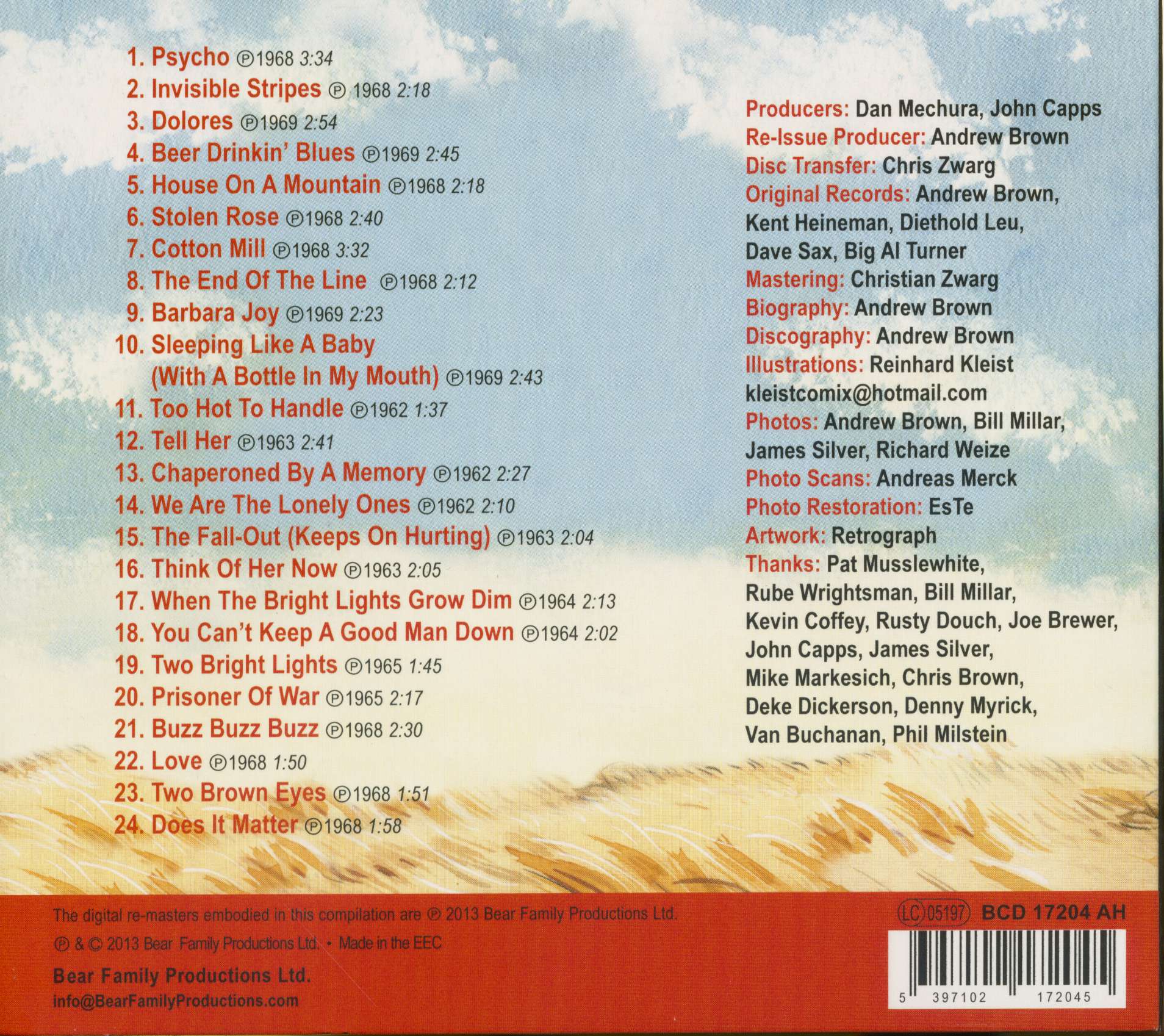
| Noack, Eddie - Psycho - The K-Ark and Allstar Recordings 1962-69 (CD) CD 1 | ||||
|---|---|---|---|---|
| 01 | Psycho | Eddie Noack | ||
| 02 | Invisible Stripes | Eddie Noack | ||
| 03 | Dolores | Eddie Noack | ||
| 04 | Beer Drinkin' Blues | Eddie Noack | ||
| 05 | House On A Mountain | Eddie Noack | ||
| 06 | Stolen Rose | Eddie Noack | ||
| 07 | Cotton Mill | Eddie Noack | ||
| 08 | The End Of The Line | Eddie Noack | ||
| 09 | Barbara Joy | Eddie Noack | ||
| 10 | Sleeping Like A Baby With A Bottle In My Mouth | Eddie Noack | ||
| 11 | Too Hot To Handle | Eddie Noack | ||
| 12 | Tell Her | Eddie Noack | ||
| 13 | Chaperoned By A Memory | Eddie Noack | ||
| 14 | We Are The Lonely Ones | Eddie Noack | ||
| 15 | The Fall-Out Keeps On Hurting | Eddie Noack | ||
| 16 | Think Of Her Now | Eddie Noack | ||
| 17 | When The Bright Lights Grow Dim | Eddie Noack | ||
| 18 | You Can't Keep A Good Man Down | Eddie Noack | ||
| 19 | Two Bright Lights | Eddie Noack | ||
| 20 | Prisoner Of War | Eddie Noack | ||
Eddie Noack
Pure Country
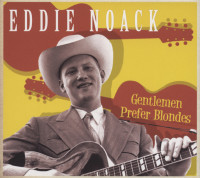
Gentlemen Prefer Blondes
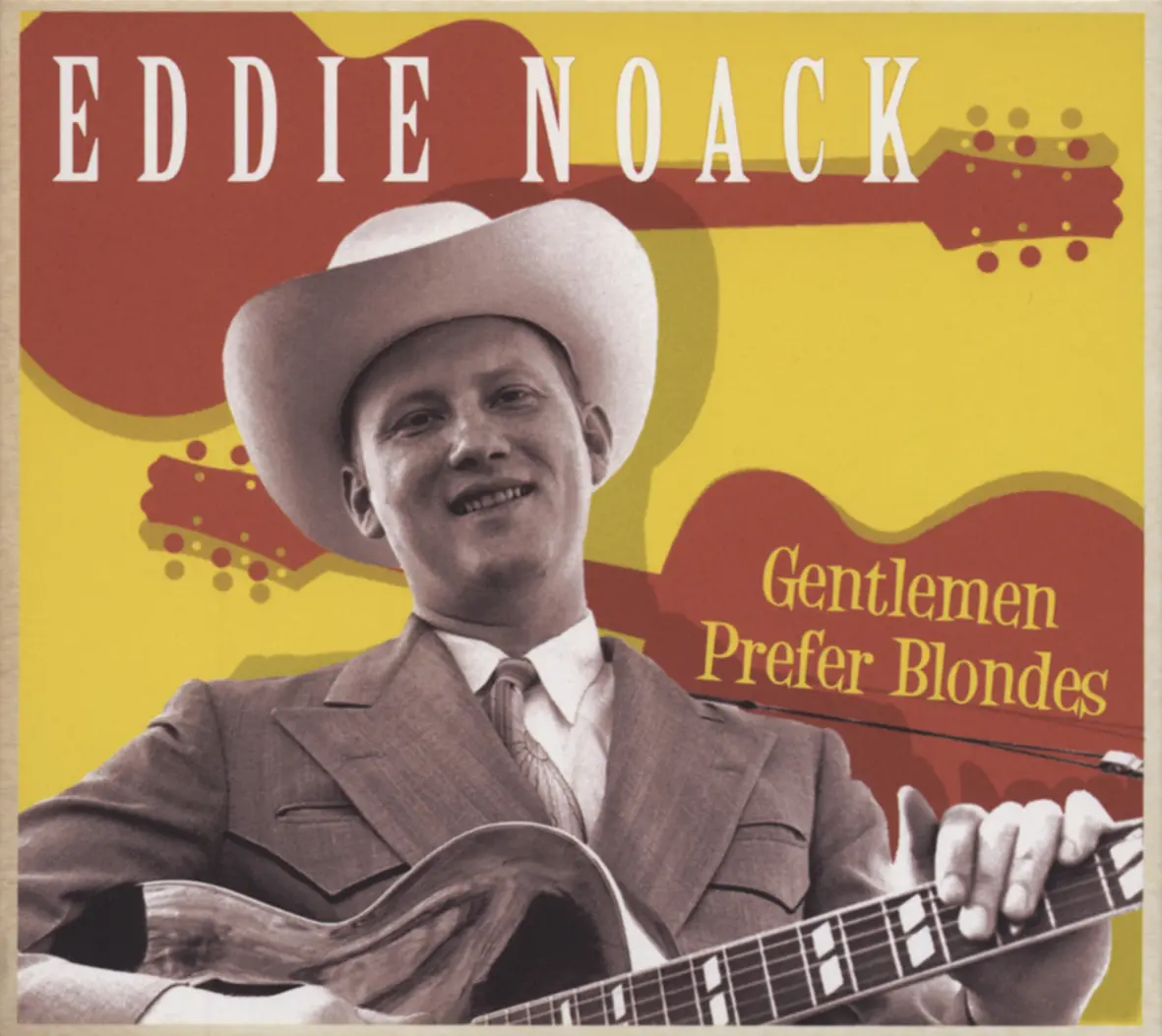
Eddie Noack
Reines Land
Gentlemen bevorzugen Blondinen.
Ein altes, vorgefertigtes Haus in einem abgelegenen Teil von East London war nicht der Ort, an dem man normalerweise erwartet hätte, dass sich ein Starday Recording Artist aus den fünfziger Jahren findet. Aber da war er, Eddie Noack, ein Flüchtling aus der fernen Vergangenheit der texanischen Honky-Tonk-Szene, kurz davor, eine kurze Tour durch England zu starten. Es war 1976. Die Londoner Promoter hatten ihn angerufen, und obwohl er seit vielen Jahren nicht mehr in der Öffentlichkeit aufgetreten war und sich in einem schlechten Zustand befand, stimmte er zu. Seine Karriere war vorbei, und er wusste nur zu gut, dass eine Tour durch englische Pubs sie nicht wiederbeleben würde, aber vielleicht könnte sie zumindest die Illusion noch ein wenig länger bewahren.
Noack war nie berühmt gewesen, aber die Hardcore-Landfans in England hatten von ihm gehört und wollten ihn sehen. Er hatte kürzlich ein Album mit seinen Original-Songs für ein englisches Label veröffentlicht, Songs, die besser bekannt sind durch Interpretationen von Stars wie George Jones, Hank Snow und Johnny Cash. Nur wenige hatten jemals die längst vergessenen Singles von Noack auf Starday gehört, oder eines der anderen kleinen Labels, für die er im Laufe seiner dreißigjährigen Karriere in der Country-Musik aufgenommen hatte.
Der Musikjournalist Bill Millar arrangierte zusammen mit Ray Topping ein Interview mit Noack zu Beginn der Tour. Zu diesem Zeitpunkt war das Wort "Rockabilly" mit einer Wirkung entstanden, die es in den fünfziger Jahren nie hatte. Es war die magische Beschwörung, die so viel gute, aber vergessene Musik für eine neue Generation freigab und revitalisierte. Für die Anbieter des in England stattfindenden Rockabilly-Revivals stellte die Präsenz von Noack an ihren Ufern ein Dilemma dar: Starday wurde für seine Rockabilly-Singles anerkannt, aber Noack hatte es vermieden, welche zu machen. Und so ignorierten sie ihn.
Als Millar und Topping um 4 Uhr nachmittags vorfuhren, wurden die Vorhänge zum Haus zugezogen. "Lange bevor er die Tür öffnete.... fragte ich mich, welche Art von Problemen diesen talentierten Künstler in einen so bedauerlichen Zustand gebracht hatten", schrieb Millar später in Melody Maker. Ein zerzauster Mann, der um Jahre älter als 46 Jahre zu sein schien, kam zur Tür und trug noch immer seinen Pyjama. Der Raum war übersät mit überquellenden Aschenbechern, Pillen und Flaschen zwischen Sammelalben und Schallplatten. Eddie erzählte den jungen Schriftstellern, dass er an einer Darmerkrankung litt, aber trotz allem gelang es ihm, Fragen über seine lange Musikkarriere mit, so Millar, "einem stillen Stolz" zu beantworten.
Eddies Tournee, unterstützt von der englischen Country-Band Rusty Douch and the Wild Bunch, war keine totale Katastrophe, aber sie war enttäuschend für jeden, der erwartet, dass er zwanzig Jahre zuvor etwas Ähnliches wie einen Time-Warp zurück zu einem texanischen Honky-Tonk hört. Die Bewertungen waren schlecht und Noack schien schwer krank zu sein. Wie "Country Music People" später über seinen Auftritt in South Humberside schrieb: "Der Ort war vollgepackt, aber ich kann mich nicht erinnern, einen schlechteren Künstler als Noack gesehen zu haben.... und er wusste es. Er gab zu, dass er kein Recht hatte, dort zu sein, da er fast so lange keine Bühnenarbeit mehr gemacht hatte, wie er sich erinnern konnte."
"Es war eine Ehre, den sanften Riesen eines Mannes zu unterstützen", sagt Rusty Douch heute. "Er gab mir Ratschläge zum Schreiben von Songs und sagte, gib nichts auf, was du schreibst... Eddie blieb bei mir und meiner Frau auf dieser Tour. Er war kein guter Mann."
Viele lebenslange Country-Sänger, die während ihrer kurzen kommerziellen Herrschaft ein oder zwei Rockabilly Single oder zwei gemacht hatten, waren nur zu gerne bereit, dieses Rebranding später zu akzeptieren, wenn es zu einer kritischen Anerkennung oder Anerkennung führte, die sie sonst nie erlebt hätten. Nicht Eddie Noack. Während ihres Interviews, als Millar und Topping unweigerlich das Thema Rockabilly ansprachen, widersetzte sich Eddie mit Nachdruck der Versuchung. "Nein, ich bin reines Land", bestand er darauf. Andernfalls zu suggerieren, würde bedeuten, sein Leben und sein Werk stark zu missverstehen und zu verstehen, wie er sich wünschte, dass dieses Werk interpretiert würde.
"Nichts an Eddie Noack erinnert dich an den archetypischen Hillbilly-Rekordstar eines
anderen Zeitalters", schrieb Millar über ihr Treffen. "Ausgestattet mit Abschlüssen der University of Houston, ist er witzig und gelehrt, ein wandelnder Fundus an genauen Geschichten." Für seine Interviewer waren die Person und die Persona auf den ersten Blick phasenverschoben: Wie konnte der Mann, der archetypische Hillbilly-Songs wie Too Hot to Handle, Take It Away, Lucky und It Ain't Much schrieb, aber It's Home selbst kein archetypischer Hillbilly sein? Noack hatte ihnen einen Hinweis gegeben, als er seine Musik als "reines Land" verteidigte: Während seiner gesamten Karriere hatte er sich selbstbewusst als Country-Musiker aus Nachahmung, nicht aus Identifikation heraus stilisiert. Er schätzte Künstler wie Jimmie Rodgers, Hank Williams, Ernest Tubb und Wilf Carter, aber ihre Lebenserfahrung war ganz anders als seine. Viele Country-Künstler wie Tubb hatten tatsächlich versucht, ihre Musik zu glätten, ohne den Ausdruck "Hillbilly" als abfällig zu bezeichnen. Aber Noack war ein Idealist. Seine Mission war es, die Integrität der Country-Musik und ihre Wurzeln zu schützen, die kommerzielle Attraktivität zu verdammen. Als er sagte, dass seine Musik "reines Land" sei, meinte er, dass er früh im Leben die Treue zu einem persönlichen Kodex geschworen hatte. Wenn jemand Eddies Musik als "Hillbilly" bezeichnete, akzeptierte er sie als Kompliment. So war der stille Stolz, den Millar gespürt hatte, in Eddies Überzeugung verwurzelt, dass er seinem Code treu geblieben war, während fast alle anderen ausverkauft waren und die "reine" Country-Musik verfallen und sterben ließen.
en singles on Starday, or any of the other small labels he had recorded for over the course of a thirty-year career in country music.
Music journalist Bill Millar, along with Ray Topping, arranged to interview Noack at the start of the tour. By then, the word 'rockabilly' had emerged with an impact it never had in the fifties. It was the magical incantation that unlocked and revitalized so much good but forgotten music for a new generation. For the purveyors of the rockabilly revival underway in England, Noack's presence on their shores presented a dilemma: Starday was recognized for its rockabilly singles, but Noack had avoided making any. And so they ignored him.
When Millar and Topping drove up at 4 o'clock in the afternoon, the curtains to the house were drawn. "Long before he answered the door…I was wondering what sort of problems had brought this talented artist to such a lamentable state," Millar later wrote in 'Melody Maker.' A disheveled man, appearing to be years older than 46, came to the door still wearing his pajamas. The room was littered with overflowing ashtrays, pills, and bottles among scrapbooks and records. Eddie told the young writers that he was suffering from an intestinal disorder, but despite everything managed to answer questions about his long music career with, Millar observed,"a quiet pride."
Eddie's tour, backed up by the English country band Rusty Douch and the Wild Bunch, was not a total disaster, but it was disappointing to anyone expecting to hear something resembling a time-warp back to a Texas honky-tonk twenty years earlier. Reviews were bad and Noack appeared to be severely ill. As 'Country Music People'later wrote of his appearance in South Humberside, "The place was packed solid, but I can't remember seeing a worse performer than Noack … and he knew it. He admitted himself that he had no right to be there, as he hadn't done any stage work at all for almost as long as could remember.”
"It was an honor to back the gentle giant of a man,” Rusty Douch says today. "He gave me advice about writing songs, and said don't give up on anything that you write…Eddie stayed with me and my wife on that tour. He was not a well man.”
Many lifelong country singers who had made a rockabilly single or two during its brief commercial reign were only too happy to later accept this rebranding if it translated to a critical acclaim or recognition they had otherwise never experienced. Not Eddie Noack. During their interview, when Millar and Topping inevitably broached the subject of rockabilly, Eddie forcefully resisted the temptation. "No, I'm pure country," he insisted. To suggest otherwise would be to badly misunderstand his life and work, and how he wished that work to be interpreted.
"Nothing about Eddie Noack reminds you of the archetypal hillbilly record star of another age," Millar wrote of their meeting. "Equipped with degrees from the University of Houston, he is witty and erudite, a walking fund of accurate stories." To his interviewers, the person and the persona were, at a glance, out of phase: how could the man who wrote archetypal hillbilly songs like Too Hot to Handle, Take It Away, Lucky and It Ain't Much, But It's Home not be an archetypal hillbilly himself? Noack had given them a clue when he defended his music as 'pure country': For his entire career, he had self-consciously styled himself as a country music artist out of emulation, not identification. He appreciated artists like Jimmie Rodgers, Hank Williams, Ernest Tubb, and Wilf Carter, but their life experiences had been quite different from his. Many country artists like Tubb had actually tried to smooth out their music, shunning the phrase 'hillbilly' as derogatory. But Noack was an idealist. His mission was to protect the integrity of country music and its roots, commercial appeal be damned. When he said that his music was 'pure country,' he meant that he had, early in life, sworn allegiance to a personal code. If somebody called Eddie's music 'hillbilly,' he accepted it as a compliment. Thus, the quiet pride that Millar had sensed was rooted in Eddie's conviction that he had stayed true to his code while nearly everyone else had sold out and allowed 'pure' country music to decay and die.
And as went country music, so fell Eddie Noack. "Eddie was plainly ill when I met him," Millar says today. "I really did think, 'This man hasn't got long to live.'" His grim assessment was correct. In 1978, less than two years after the tour, Noack died, alone, in Nashville.
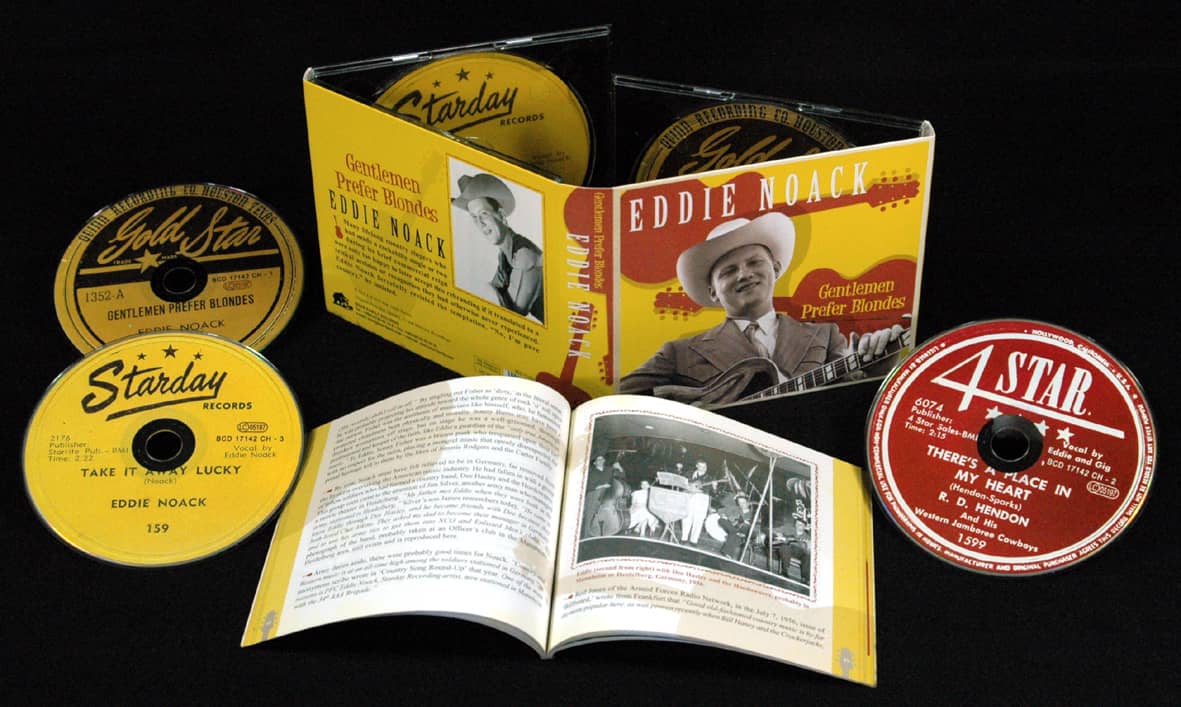
Eddie Noack Gentlemen Prefer Blondes (3-CD)
Read more at: https://www.bear-family.com/noack-eddie-gentlemen-prefer-blondes-3-cd.html
Copyright © Bear Family Records
Geniales Artwork
Das Booklet ist fantastisch geworden.
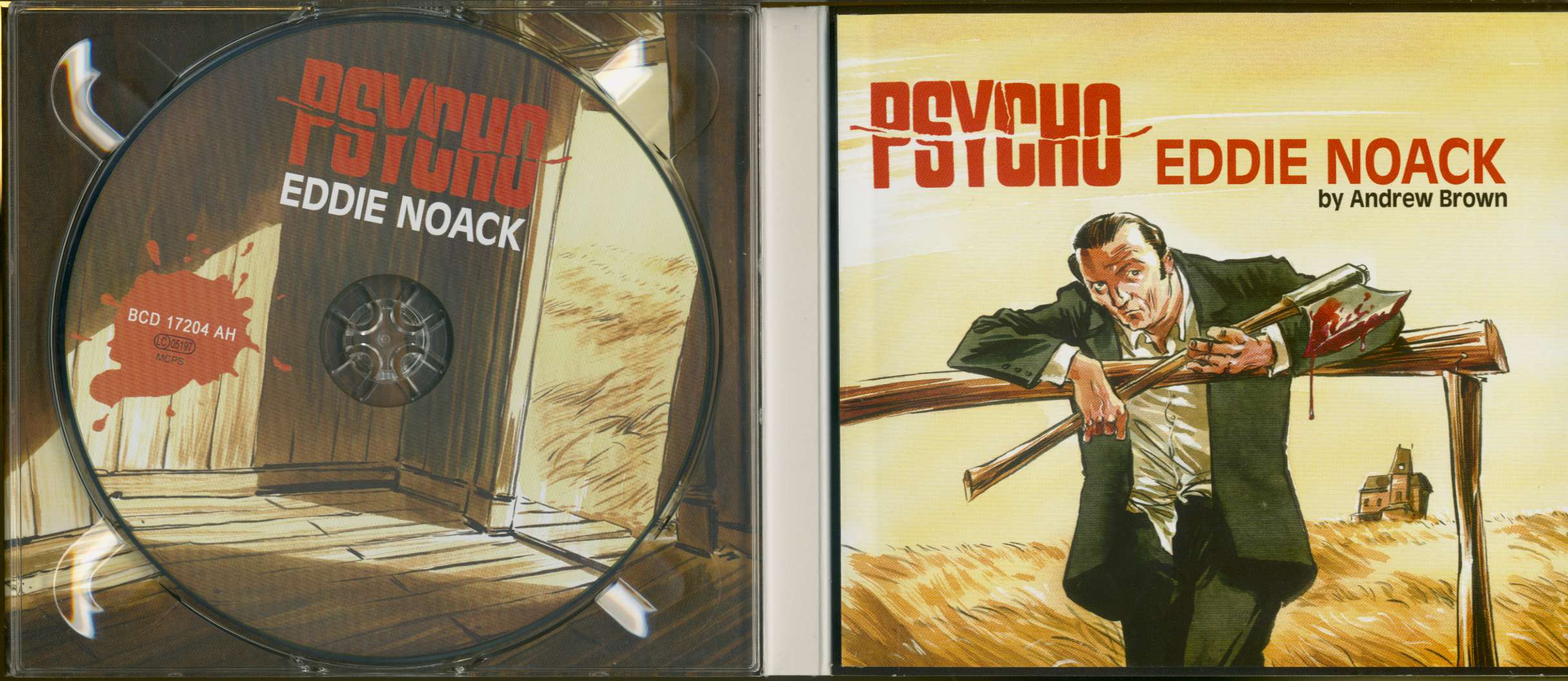
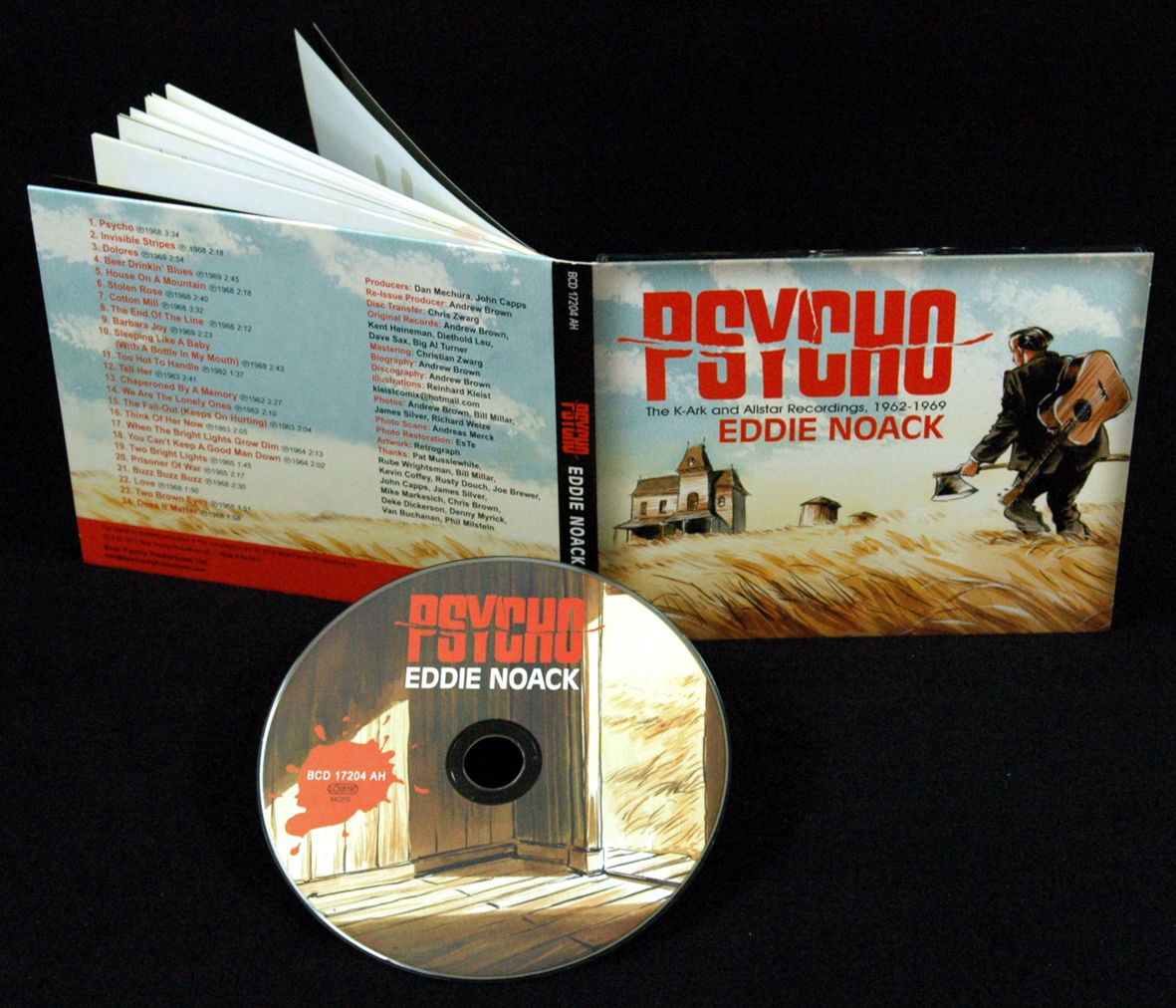
Die morbide Stimmung wurde klasse umgesetzt vom deutschen Comic-Zeichner Reinhard Kleist, dem Bear Family nicht zum ersten Mal ein CD-Illustration anvertraut.
Good Times 5/2013 Ulrich Schwartz
If Eddie Noack is an unfamiliar name I urge you to change that and buy this CD immediately, it's a gem and highly recommended.
Country Music People 9/13 Duncan Warwick
Früh verstorben aber unvergessen - die psychotischen Abgründe einer Kult-Country-Ikone.
Classic Rock 8/2013

Ready to ship today, delivery time** appr. 1-3 workdays

Item has to be restocked
Ready to ship today, delivery time** appr. 1-3 workdays

Item has to be restocked

Ready to ship today, delivery time** appr. 1-3 workdays

Ready to ship today, delivery time** appr. 1-3 workdays

Ready to ship today, delivery time** appr. 1-3 workdays
Ready to ship today, delivery time** appr. 1-3 workdays

Ready to ship today, delivery time** appr. 1-3 workdays

Ready to ship today, delivery time** appr. 1-3 workdays

Ready to ship today, delivery time** appr. 1-3 workdays
Ready to ship today, delivery time** appr. 1-3 workdays

Ready to ship today, delivery time** appr. 1-3 workdays

Ready to ship today, delivery time** appr. 1-3 workdays

Ready to ship today, delivery time** appr. 1-3 workdays
only 2x still available
Ready to ship today, delivery time** appr. 1-3 workdays
only 2x still available
Ready to ship today, delivery time** appr. 1-3 workdays