
James Talley & Cavalliere Ketchum Road To Torreon

* incl. VAT / plus shipping costsDepending on the country of delivery, the VAT at checkout may vary.
Ready to ship today,
delivery time** appr. 1-3 workdays
- catalog number: BCD15633
- weight in Kg 1.5
James Talley & Cavalliere Ketchum: Road To Torreon
Concept album - A 106-page book printed on art paper is included, 32 touching pictures by photograper Cavaliere Ketchum, faces and landscapes, framed by citations from those ordinary people. 30x30 cm format.
Photographs of New Mexico Villages by Cavalliere Ketchum
Love songs and other writings by James Talley
Introduction:
Twenty years is a long time, but the older you get the shorter it seems. When Cavalliere Ketchum and I began working on the photo-graphs, stories, poems and songs contained here, we were each over twenty years younger. At that time as well, our nation was involved in a vast war in Vietnam that would change the way a generation of Americans viewed their country and their government. It would influence, as well, the values they taught their children. It would leave its impact on the people of our nations largest cities, and of our smallest hamlets. Since that time, Cavalliere has completed a little over twenty years as a professor of fine arts in photography at the University of Wisconsin, Madison, and in the process has trained some of this country's finest young photographers. I have spent twenty-two years in Nashville, Tennessee where I have worked at many jobs, along with my music career as a songwriter, singer, and recording artist. For the past eight years, I have been a real estate practitioner. Still the beauty of these images has never died for either of us. They come alive as much today, as they did when they were the ideals and dreams of our youth.
For so many years, as I was trying to get my songs recorded and establish myself as a songwriter and recording artist in Nashville, I was under the tremendous pressure that exists in the "music business" to create something "commercial". That meant recording songs that were acceptable to the format of "country" radio broad-casting. That was the only outlet in the days before cable television, and it is still the primary reason the major record labels have offices and staff in Nashville today. Because of the special subject matter of these songs and these images, they kept getting shifted to the "back burner," because they were not looked upon as commercial, as that term applies to the Nashville music industry. Ironically, they were recognized as significant by John Hammond, Sr. at Columbia Records in New York as early as 1971, and gained me his attention and support. They opened the door, through John Hammond, to my first recording contract with Jerry Wexler at Atlantic Records in 1972. A few close friends knew about the songs, and after I signed with Capitol Records in 1975, Peter Guralnick, who documented my career up to that time in his book Lost Highway, made reference to them, but for the most part they remained unknown.
Our world, though, has changed very rapidly over the past few years. Our nation is becoming an even more diverse patchwork quilt of many peoples of many colors and cultures. We are just beginning to acknow-ledge that we must treat each other and the natural world around us with more respect, care and love. This is long overdue. Perhaps then, it is now time to move these images to the front burner, and to share them with the public.
The Story
This is a story of Hispanic mountain families in New Mexico, a people whose heritage dates back to the time of Montezuma, Cortez and the Spanish explorers, and the Governors of Mexico — hundreds of years filled with rich history, legend and life. It is not my intention, however, to "single out" only this group, as the story to be told here has to do with similar conditions all across America today, still, and for that matter in many developing nations all around the globe. Yes, the setting could be different, but the story would be much the same. This just happened to be the region where Cavalliere and I grew up these were the images we saw. Our nation's cities are now the new frontiers, where as a "civilized" society we are faced with a multitude of problems that started generations back, perhaps with the Industrial Revolution.
These rural peoples began their journey from the farms and the countryside, where they could no longer make a living, to the cities of our nation and the world but whether it is the "blues" in the ghettos in Chicago, Detroit, Cleveland, Philadelphia or New York or in the Latin barrios of Los Angeles, Albuquerque, Denver, Dallas, Houston or San Antonio, the stories are much the same. The differences are cultural. It seems only natural that generations of these people should cling to the land, or more accurately perhaps, the idea of the land, with their hearts, minds and spirits, despite their isolation and their lack of opportunity in the cities. It is their heritage. My own mother, raised on a farm in Oklahoma, will never for-get Oklahoma in the 1930s. Those images will be with her until the day she dies – of hobos coming to the door of the farmhouse to beg her mother for food, of dust storms and the hard labor of non-mechanized rural life.
So what are we talking about here? For one thing, we are not preaching to anyone, and we are not trying to tell anyone what or how they should think. Cavalliere and I are simply storytellers, relating a story about some things that we once saw on our journey through life. At best perhaps we are giving those who encounter our work some things to think about. For what we saw, and what is reflected here, is only a slice of the never ending cultural change that is a part of the human experience. What we saw was the impact of the electronic age, of television and instant mass communications. What we saw was the poverty and lack of opportunity that was a way of life for people with few skills and little education. What we saw were people that persisted in hanging on to the land and the life they knew, even in a new urban setting. It was all they knew. What we saw, too, were people loving, laughing and living with one another, and their everlasting faith and hope.
As some of these people settled in the cities, they became what journalists and the media call the "urban poor." Their homes became the poor sections of the cities, the barrios. This
changed them emotionally, physically and spiritually. They became part of the endlessly compiled government "studies" and "statistics." Others of them "adapted" and "adjusted" and were able to "assimilate" and "compete" within the rules of the "dominant culture." They "achieved" a middle-class status with its own set of frustrations and problems. Still others decided the "city life" was not worth it at any price, and they returned to the land and the countryside to exist in any manner they could.
This then is only a story, a chronicle. It is not meant in any way to be a sociological or anthropological treatise, nor is it a journalistic documentary. It is simply a story. It is a human story about life and the human condition, as seen by a photographer and a writer of verse and melody. Neither Cavalliere Ketchum nor I make any claims toward academia, scholarship or objectivity. These are our thoughts, our feelings and our visions of the people and the times which this work is about.
Video von James Talley & Cavalliere Ketchum - Road To Torreon
Article properties: James Talley & Cavalliere Ketchum: Road To Torreon
-
Interpret: James Talley & Cavalliere Ketchum
-
Album titlle: Road To Torreon
-
Genre Country
-
Label Bear Family Records
- Edition 2 Deluxe Edition
- Preiscode AI
-
Artikelart Box set
-
EAN: 4000127156334
- weight in Kg 1.5
| Talley, James - Road To Torreon Box set 1 | ||||
|---|---|---|---|---|
| 01 | Maria (The Road To Torreón) | James Talley & Cavalliere Ketchum | ||
| 02 | Ramón Esteban | James Talley & Cavalliere Ketchum | ||
| 03 | H. John Tarragón | James Talley & Cavalliere Ketchum | ||
| 04 | Demona | James Talley & Cavalliere Ketchum | ||
| 05 | La Rosa Montana | James Talley & Cavalliere Ketchum | ||
| 06 | She Was A Flower Of The Sunburnt West | James Talley & Cavalliere Ketchum | ||
| 07 | The Rosary | James Talley & Cavalliere Ketchum | ||
| 08 | As I Waited Out The Storm | James Talley & Cavalliere Ketchum | ||
| 09 | Little Child Of Heaven | James Talley & Cavalliere Ketchum | ||
| 10 | Does Anybody Know Why Ana Maria's Mama Is...? | James Talley & Cavalliere Ketchum | ||
| 11 | I Had A Love Way Out West | James Talley & Cavalliere Ketchum | ||
James Talley
MOMENTS IN TIME, MUSICIANS, BRICK MASONS, FRIENDS AND TRUE BELIEVERS
THE WINTER OF '79 ... 
Ich habe es immer genossen, meine Kompositionen mit einer guten Band zu spielen, und ich glaube nicht, dass ich einen einzigen Songwriter kenne, der seine oder ihre Songs nicht mit einem Publikum teilen will. Natürlich schreiben wir sie nicht, um für uns selbst zu singen. Musik wird geschaffen, um aufgeführt zu werden, egal ob es sich um Delta-Blues oder eine Symphonie handelt. Der ultimative Test für einen Autor-Performer ist also: Kannst du'die Ware' vor einem Publikum abliefern.... live?
Im Februar und März 1979 hatte ich jeweils zwei Termine, im Lone Star Cafe in New York City und in der Great Southeast Music Hall in Atlanta. Ich hatte eine spannende Tourneeband aus fünf hellen, jungen Musikern zusammengestellt. Drei von ihnen, Larry Chaney (E-Gitarre), John Salem (Klavier) und Bill Hawks (Bass), waren im vergangenen Herbst für das Konzert rekrutiert worden, das ich für Marlboro bei den American Grand Prix Rennen in Watkins Glen, New York gab. (Der Filmemacher Julius Potocsny hat einen wunderbaren Film über die Watkins Glen-Performance für Philip Morris gemacht. Für diese Wintershows in New York und Atlanta konnte ich jedoch nicht die gesamte Watkins Glen Band zusammenhalten. Also habe ich zwei neue Spieler, Chip Hager (Mundharmonika) und Peter Keeble (Schlagzeug), für diese Shows engagiert. Auf der ersten Reise der Band nach New York, der ersten Februarwoche, haben wir auch ein Live-Radiokonzert auf WHN in New York gegeben. Das wurde live aus dem Lone Star übertragen.
Larry Chaney, John Salem und Bill Hawks waren alle aus Wichita, Kansas. und war erwachsen geworden und hatte einige Jahre lang zusammen Musik gemacht. Sie waren nach Nashville gekommen, um Musik zu machen und ihre Träume zu verwirklichen, wie so viele andere junge Musiker auch. Chip Hager war aus Conway, Arkansas, ein Veteran der Vietnam Navy, ein erfahrener Juwelier, ein ernsthafter Budweiser-Kunde und ein unvergleichlicher Blues-Fan. Er hatte mit Larry Raspberry und den Highsteppers aus Memphis gespielt und wurde mir von unserem gemeinsamen Freund Greg'Fingers' Taylor empfohlen. Peter Keeble war gebürtiger Nashvilleer, Absolvent der Kunstgeschichte, und betrieb eine kleines Tonstudio in Nashville. Die Chance, mit einigen sehr talentierten Musikern Live-Musik zu spielen, war jedoch alles, was es brauchte, um ihn aus dem Studio und wieder auf die Straße zu bringen.
FREUNDE UND WAHRE GLÄUBIGE....
Kreativität, das habe ich immer gefühlt, ist eine sehr einsame Sache; aber niemand kann wirklich viel erreichen oder diese Kreativität teilen, ohne das Verständnis und die Hilfe anderer. So ist es mit der Musik, dem Geschäft und dem Leben. Es gab wahrscheinlich keine größeren Anhänger, Fans oder wahren Gläubigen in mir und der Musik, die ich Mitte bis Ende der 70er Jahre kreierte, als Jack Tarver, der Besitzer der Great Southeast Music Hall, und Mort Cooperman im Lone Star Cafe. Ich spielte die Music Hall auf meiner allerersten Tournee als neuer Künstler auf Capitol Records im Jahr 1976, und als der Lone Star 1977 eröffnet wurde, bat mich Mort Cooperman, bei der Eröffnung zu spielen, was ich nicht tun konnte, da ich meine Band zu diesem Zeitpunkt nicht zusammenstellen ließ.
Der Lone Star war immer ein Genuss, und New York war immer ein aufregender Ort für junge Musiker aus Wichita, Kansas und Conway, Arkansas. John Salem sagte mir vor kurzem, dass er sich immer an die "drei Alarm-Chili" erinnern wird und um 3:00 Uhr morgens Witze mit Mort austauschen wird. Es gab auch, auf diesen New Yorker Reisen, die spirituelle Verstärkung von Freunden in der Presse wie John Walsh, der damals bei Newsweek war, und Nat Hentoff bei der Village Voice, und viele andere. Atlanta hatte auch immer ein enormes Publikum, und Jack Tarver war damals selbst ein Auftritt. Jack und ich verbrachten viele unserer Nachmittage auf dem Chattahoochie River in einem Schlauchboot und tranken Miller Lite aus dem Kühler. Ich wusste nie, mit wem ich in der Music Hall auftreten würde - Jerry Lee Lewis, Carl Perkins, die Nighthawks, John Prine oder B.B. King. Sowohl The Lone Star als auch die Music Hall buchten eine große Auswahl an Talenten. Die Erinnerungen gehen tief, und ich habe nie die Unterstützung und Freundschaft vergessen, die mir diese beiden Clubbesitzer entgegengebracht haben. So scheint es nur passend, dass diese Bänder, die in diesen beiden Clubs aufgenommen wurden, wiederbelebt und als Live-Album veröffentlicht werden, auch jetzt, fünfzehn Jahre nach den Originalaufnahmen.
EINEN MOMENT IN DER ZEIT....
Bear Family Records mein unermüdlicher Unterstützer in Deutschland, der seit dem Wiederaufleben meiner Musik 1985 sieben weitere James Talley Alben in Europa veröffentlicht hat, fragte mich vor ein paar Monaten, ob ich irgendwelche Bänder hätte, die wir noch nicht veröffentlicht hätten. Ich grub durch eine Kiste mit alten Kassetten, aufgenommen durch die Soundboards, von verschiedenen Live-Auftritten im Laufe der Jahre, und ich lief über die Bänder der Lone Star und der Music Hall Shows. Glücklicherweise wurden diese Bänder auf damals sehr neuen, qualitativ hochwertigen Kassetten der Maxell Corporation, Ultra Dynamic XL II, aufgenommen. Auch wenn es heute noch üblich ist, war das damals ein heißer Stoff, und die Soundmixer in beiden Clubs - Darin, im Lone Star, und Alan Vontillius in der Music Hall - benutzten ihn beide. Hätten wir dieses Ultra-High-Bias-Band nicht benutzt, hätte es viele m
James Talley Live
Read more at: https://www.bear-family.de/talley-james-live.html Copyright © Bear Family Records

Ready to ship today, delivery time** appr. 1-3 workdays

Ready to ship today, delivery time** appr. 1-3 workdays

Ready to ship today, delivery time** appr. 1-3 workdays

Ready to ship today, delivery time** appr. 1-3 workdays

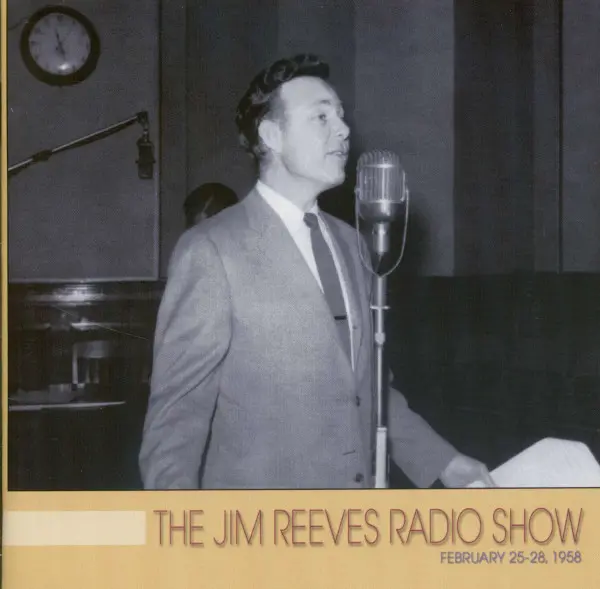
Ready to ship today, delivery time** appr. 1-3 workdays

Item has to be restocked
Ready to ship today, delivery time** appr. 1-3 workdays

Ready to ship today, delivery time** appr. 1-3 workdays

This article is deleted and can no longer be ordered!
Ready to ship today, delivery time** appr. 1-3 workdays


Item has to be restocked

Item has to be restocked

the very last 2 available
Ready to ship today, delivery time** appr. 1-3 workdays

Ready to ship today, delivery time** appr. 1-3 workdays

Ready to ship today, delivery time** appr. 1-3 workdays

Ready to ship today, delivery time** appr. 1-3 workdays
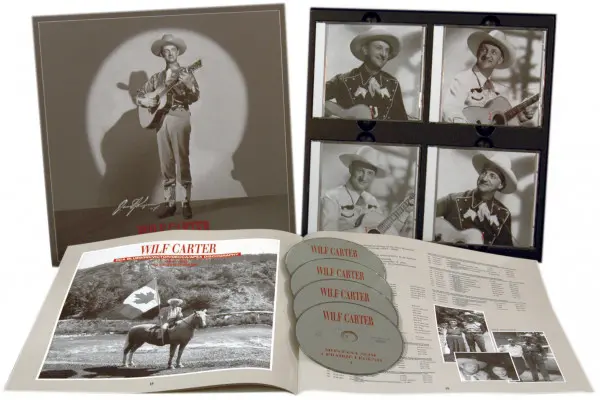
the very last 2 available
Ready to ship today, delivery time** appr. 1-3 workdays


