
Who was/is Wilson Pickett ? - CDs, Vinyl LPs, DVD and more
Wilson Pickett
Rightly celebrated as one of the most important soul singers of the '60s, Wilson Pickett could also sing the blues with tremendous power. That is how he auditioned as a possible replacement for Joe Stubbs in the Falcons, a Detroit vocal group that had already scored a hit with You're So Fine. "Pickett came in with just his guitar player," says Sir Mack Rice, a Falcon at the time. "He sang that old Elmore James song, 'The Sky Is Crying.' (Willie) Schofield, the bass singer, and I looked at each other and said, 'This is going to work!' We knew he had the power."
The Wicked Pickett was born on March 18, 1941 in Prattville, Alabama, and was surrounded by religious music in his early years. He moved to Detroit and sang gospel before joining the Falcons, writing and singing lead on their ultra-intense 1962 hit I Found A Love for Robert West's LuPine label. Wilson didn't stay with the Falcons for long - by the following year he was out with a hit of his own, the heartbreaking soul ballad If You Need Me, produced in the Motor City by Robert Bateman and William 'Sonny' Sanders and co-written with Pickett. Bateman took the song to Lloyd Price, who ran Double-L Records in New York with his partner Harold Logan. "He knocked me out, even though I couldn't understand what he was singing," says Price of Pickett's gospel-drenched, fiery vocals.
Despite a cover version by Solomon Burke on Atlantic that sold slightly better than the original at the same time, Pickett established himself so well with If You Need Me and the follow-up It's Too Late that a year later he landed at Atlantic. An elaborate session in New York failed to coax the raw electricity out of Pickett's vocal cords, however - so Jerry Wexler, one of the Atlantic bosses, took him to Stax in Memphis to work with Booker T. & The MG's. "Jerry Wexler called and said, 'I'm bringing this artist down to you. I know you'd be very good for him,'" recalls MG's guitarist Steve Cropper. It was a stroke of genius. That first session produced the 1965 hits In The Midnight Hour and Don't Fight It, soon followed by 634-5789 (Soulsville U.S.A.) and Ninety-Nine And A Half (Won't Do).
When the unpredictable Wilson Pickett was no longer welcome at Stax, Wexler sent him to the South's other soul capital: Muscle Shoals, Alabama. More Atlantic smashes were made there, starting with his 1966 R&B chart-topper Land Of 1000 Dances. Rice had written Mustang Sally, essentially a 12-bar blues. Aretha Franklin helped him with the title. "I kept singing 'Ride Sally ride,' because I called it 'Mustang Mama,'" says Rice. "Aretha said, 'Mack, why don't you change the title of that song to 'Mustang Sally'?'" Mack recorded the original version himself at Detroit's United Sound Studio with Andre Williams producing - it became a #15 R&B hit on Mercury's Blue Rock label in the spring of 1965.
Wilson heard Rice sing the song at the Apollo Theatre. "After I sang 'Mustang Sally,' Pickett said, 'Man, I'm gonna record that song!'" Rice remembers. Wilson kept his word on October 13-14, 1966 at Rick Hall's Fame Studios, with Wexler behind the studio glass. The top-notch band consisted of guitarists Chips Moman and Jimmy Johnson, keyboardist Spooner Oldham, bassist Tommy Cogbill, drummer Roger Hawkins, trumpeter Gene 'Bowlegs' Miller and saxophonists Gil Caple, Ed Logan and Charles Chalmers. Pickett's invigorating vocal and a brisker groove made this fiery remake a big seller (#6 R&B, #23 pop). Whether he recorded in Memphis, Muscle Shoals, Miami or Philadelphia, The Wicked Pickett landed one hit after another for Atlantic until 1973. His later years brought him into conflict with the law more often, and his record releases became more sporadic. He died on January 19, 2006. Mustang Sally remains in the repertoire of countless bar blues bands.
Bill Dahl, from 'Plug It In! Turn It Up! - Electric Blues 1939-2005 - The Definitive Collection'.
'Plug It In! Turn It Up! - Electric Blues 1939-2005' on Bear Family Records received the prestigious award in the category 'Best Historical Album' at the Blues Music Awards in Memphis, Tennessee, on May 9. For the first time, this unique 12-CD documentation offers a comprehensive look at the history of this important genre, independent of the boundaries set by individual record companies. Our author Bill Dahl from Chicago was there and accepted the award in front of some 1,300 blues musicians, journalists and fans. The Blues Music Awards, presented every year in Memphis for the best blues releases, are regarded as the most important award of their kind worldwide and are also known as the 'Oscars of the blues'.
Copyright © Bear Family Records
Copyright © Bear Family Records®. Copying, also of extracts, or any other form of reproduction, including the adaptation into electronic data bases and copying onto any data mediums, in English or in any other language is permissible only and exclusively with the written consent of Bear Family Records® GmbH.
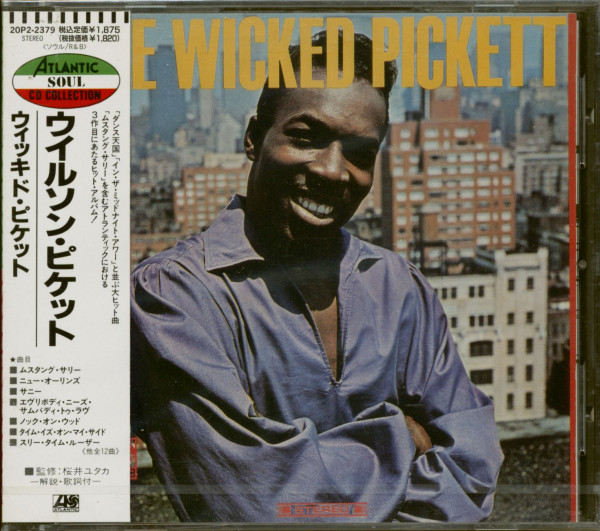
only 1x still available
Ready to ship today, delivery time** appr. 1-3 workdays

the very last 1 available
Ready to ship today, delivery time** appr. 1-3 workdays
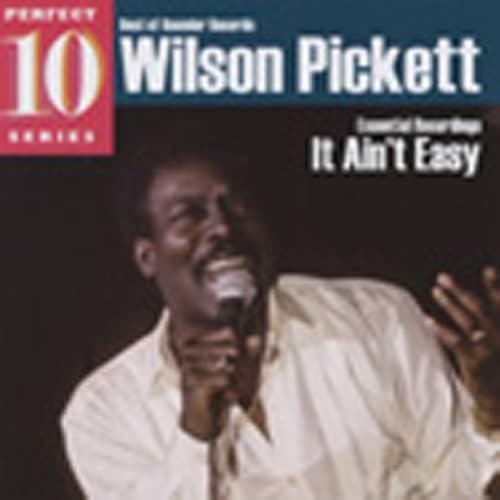
Item has to be restocked

Item has to be restocked
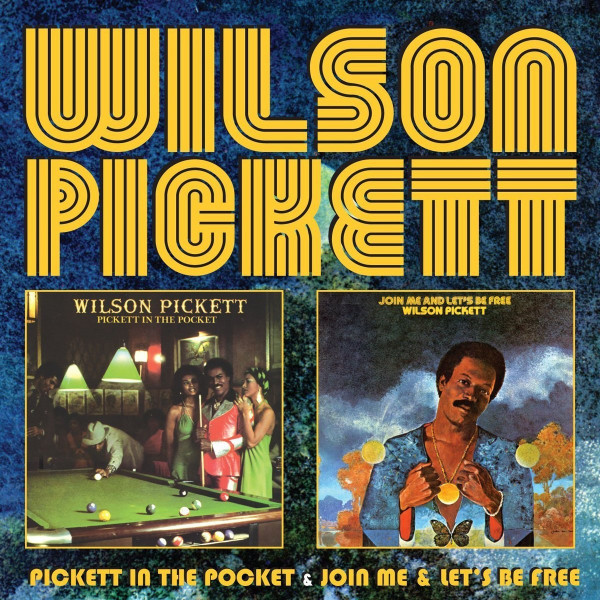
Item has to be restocked

Item has to be restocked

Item has to be restocked

Item has to be restocked
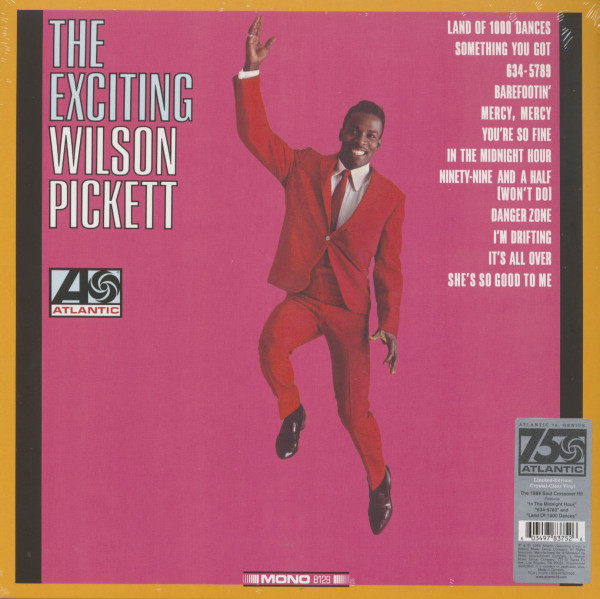
Item has to be restocked

Item has to be restocked