
Who was/is The Louvin Brothers ? - CDs, Vinyl LPs, DVD and more
The Louvin Brothers
Members: Charlie Louvin, born July 7, 1927 in Section, Alabama; Ira Louvin, born April 21, 1924 in Section, Alabama, died June 20, 1965. Labels: Decca, MGM, Capitol, United Artists, Metro, Rounder, Stetson. First hit: When I Stop Dreaming (1955). First Top Ten hit: I Don't Believe You've Met My Baby (1956).
The Louvin Brothers, one of the most important duos of the 1950s, had a strong gospel background. Like many of their colleagues, they began their professional career at radio station KNOX in Knoxville, Tennessee. Their vocal style became a model for countless singing duos, foremost among them the Everly Brothers, who in turn would later influence the style of the Beatles.
Shortly before Ira's death in a car accident, the Louvin Brothers had split up and Charlie set out on a solo career. His chart success remained modest, however, even though he sang for a time in duet with Melba Montgomery. All in all, Charlie Louvin never again matched the heyday of the duo. Together the brothers had written well over 500 songs.
When I Stop Dreaming. Ghettoised as gospel performers almost from the beginning of their recording career, the Louvin Brothers knew they had to break into the broader arena of country music. Born Ira and Charles Loudermilk in Section, Alabama on April 21, 1924 and July 7, 1927 respectively, they were among the last of a long line of brother duets and helped carry its timeless sound into the post-war era. Their early career has been ably told by Charles Wolfe in the book accompanying Bear Family's anthology of their complete recordings, 'Close Harmony' (BCD 15561). Our series picked up the story in 1952, when the brothers wrote a hit, Are You Teasing Me, for Carl Smith. Its success made them more determined than ever to break out of gospel, where their producers – first Fred Rose and then Capitol's Ken Nelson – seemed intent on keeping them, and to leave Memphis for Nashville and the Grand Ole Opry.
At least Nelson favoured the move to the Opry. Charlie Louvin recalled that while working in Memphis they would drive to the Opry on their weekends off, corner Opry manager Jim Denny and sing him a song, only to be fobbed off for years with "don't call us, we'll call you". Finally they turned to Ken Nelson and asked whether he knew anyone at the Opry; he was good friends with Jack Stapp, he said. Ira and he, Charlie explained, had decided to quit the business if they could not get on the Opry, because they simply could not make a living. Nelson telephoned Stapp and offered him the duo from his label. When Stapp was discouraging, Nelson told him that if he did not want them, the Ozark Jubilee did – at which Stapp relented, saying he did not want to lose more people to the Ozark Jubilee and that they should show up that Friday.
The next challenge was to persuade Nelson to let them record secular music. He had earlier warned Martha Carson that her gospel fans would forsake her. Charlie Louvin told Michael Hurtt that Carson was one of the greatest female gospel singers who ever lived, but that her husband wanted her to sing something other than gospel in hopes of making more money; Nelson warned her that if it failed and her fans dropped her, she would be off the label – and so it proved. When the Louvins then wanted to mix their repertoire, Nelson accused them of trying to "pull a Martha Carson". No, they replied; it was simply that they could not play clubs. Nelson again warned them of being dropped, but unlike Carson they approached secular music gently and had no intention of changing all that much.
In May 1955 they recorded a lovely slow waltz, When I Stop Dreaming. Ira had begun it while Charlie was serving in Korea. They worked on it for a year, Charlie said; the world would be worse off without its dreamers, even if the doers reap the rewards, and if anything could carry them out of gospel, it would be that song. It started slowly but broke out of Nashville and Charlotte to become a number 8 hit, setting the stage for the remaining eight years of their career, during which they recorded both gospel and secular music. Over the years When I Stop Dreaming has been recorded by Roy Orbison, Hank Locklin, Emmylou Harris, Hank Williams Jr., Johnny Cash, George Jones and many others.
Copyright © Bear Family Records
Copyright © Bear Family Records®. Copying, also of extracts, or any other form of reproduction, including the adaptation into electronic data bases and copying onto any data mediums, in English or in any other language is permissible only and exclusively with the written consent of Bear Family Records® GmbH.

Item has to be restocked

only 1x still available
Ready to ship today, delivery time** appr. 1-3 workdays

Item has to be restocked

the very last 2 available
Ready to ship today, delivery time** appr. 1-3 workdays

the very last 1 available
Ready to ship today, delivery time** appr. 1-3 workdays

the very last 1 available
Ready to ship today, delivery time** appr. 1-3 workdays

the very last 1 available
Ready to ship today, delivery time** appr. 1-3 workdays
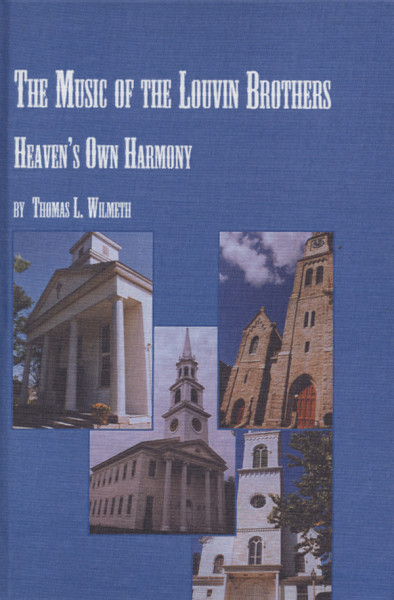
This article is deleted and can no longer be ordered!
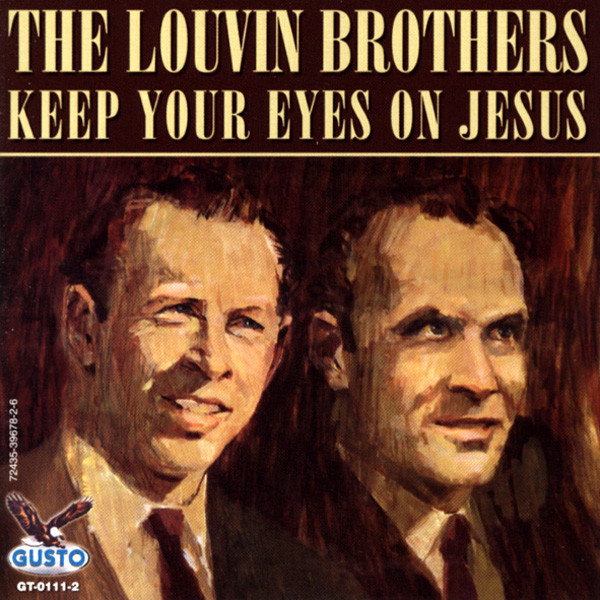
This article is deleted and can no longer be ordered!

This article is deleted and can no longer be ordered!

Item has to be restocked
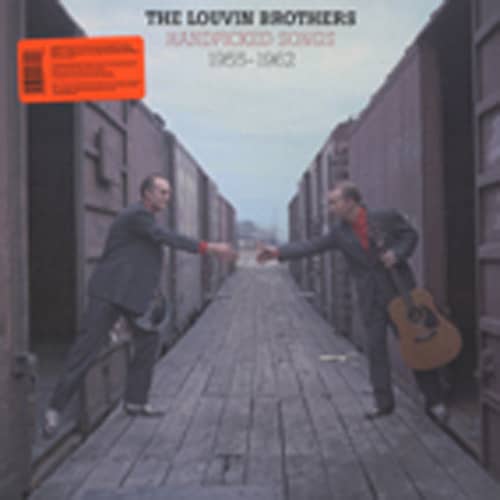
Item has to be restocked
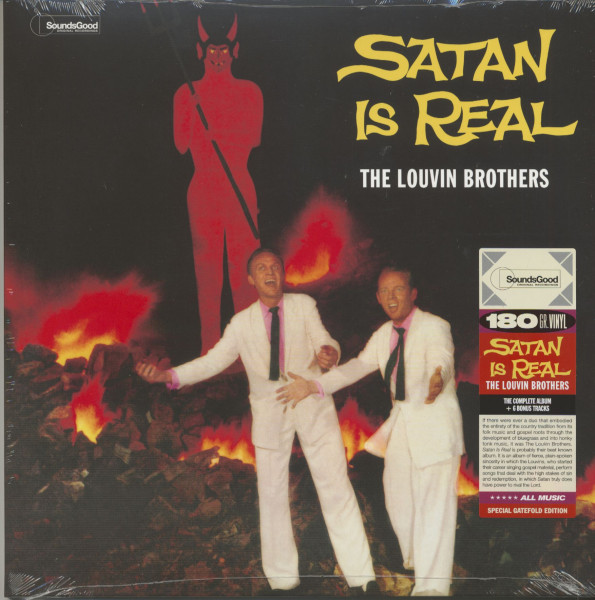
Item has to be restocked

Item has to be restocked